Human Rights Watch: China ramps up repression of underground Catholics
 Caroline Molloy
Chinese authorities are increasing efforts to force Catholics who worship apart from state-controlled church to join the official one, according to an April 15 report from Human Rights Watch.
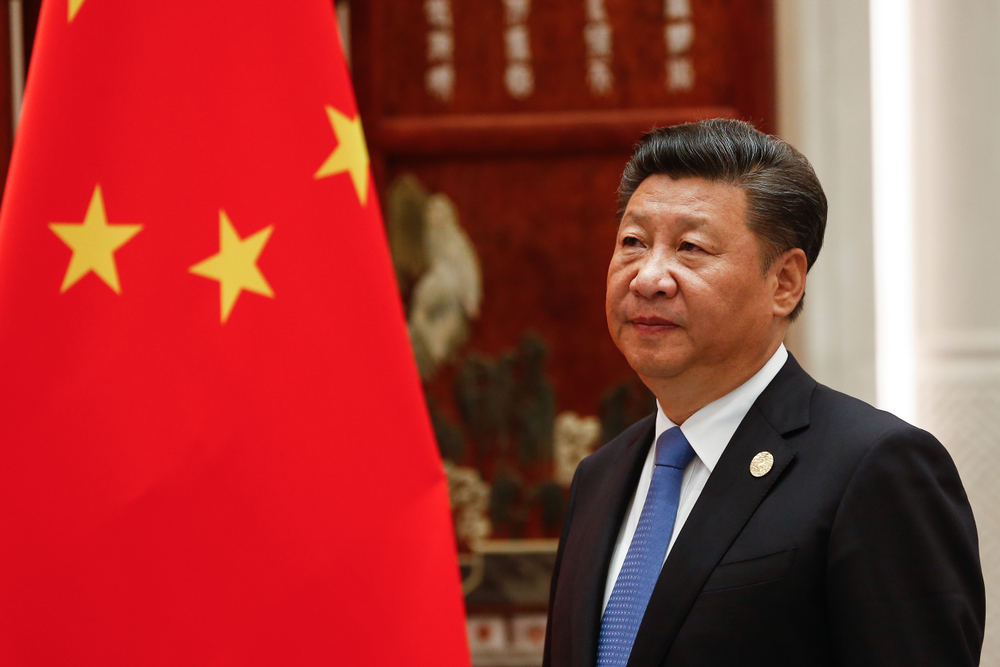
The rights group says the pressure has grown sharper in recent months as part of Chinese leader Xi Jinping’s campaign to bring all religious activity under strict Communist Party control. An estimated 12 million Catholics live in China, many of whom belong to “underground” communities that refuse to pledge allegiance to the Chinese Communist Party or join the state-run Chinese Catholic Patriotic Association.
Human Rights Watch, which interviewed people with knowledge of the situation and reviewed official documents, described tactics including surveillance cameras in underground churches, forced closures of places of worship, travel bans on priests, and arrests of clergy.
Underground Catholic clergy have faced house arrest, detention, torture, or forced disappearance, and some released priests were left unable to open bank accounts or get phone service, making everyday life nearly impossible, the rights group warned.
Churches have also reportedly been ordered to hold services at inconvenient times to cut attendance, and parents have been warned not to teach their children about the faith at home. The group also pointed to reports that Catholic orphanages and centers for disabled children have been shut down, and the children moved to state-run facilities.
According to the report, a 2018 agreement between the Vatican and Beijing that stipulates bishops must be jointly approved by the Vatican and Chinese authorities has “helped the Chinese government to pressure underground Catholic communities to join the official church.”
The deal — which has been renewed three times and runs through October 2028 — allows the Chinese government to propose bishop candidates, with final approval reserved for the pope. Pope Leo XIV has so far approved Beijing’s five appointments.
Though the agreement was meant to heal a long-standing split between the official and underground churches, critics inside the underground communities say it has given the government a tool to pressure them into joining the state system.