
House bill targets environmental impact of chemical abortion and doctors’ role in the process
 Caroline Molloy
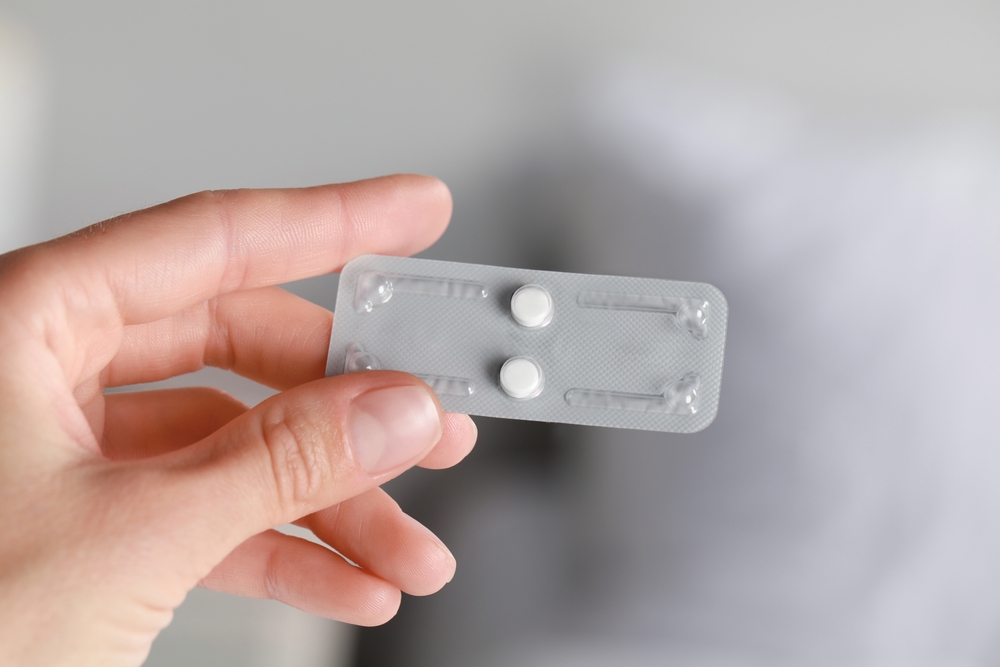
A recent bill introduced in the U.S. House of Representatives would regulate abortion pills due to their potential environmental impact.
The Clean Water for All Life Act would also require a physician to be present for the chemical abortion and a “catch kit” for contaminated blood and aborted tissue. It would also require an in-person exam to prescribe abortion pills.
The bill, introduced by Rep. Mary Miller of Illinois, is designed to address claims that chemical abortion procedures may contribute to environmental contamination. Supporters say the bill would tighten disposal requirements, while critics question the science behind those concerns.
“The murder-for-profit abortion industry is not only ending innocent life but is also polluting our water, endangering women, and operating with virtually no accountability,” Miller said at a press conference in Washington, D.C., on March 18. “Every year, more than 50 tons of chemically contaminated medical waste, including blood, placental tissue, and the remains of preborn children are flushed into America’s water systems as a direct result of chemical abortion pills.”
In 1996, the Food and Drug Administration did an environmental assessment of mifepristone tablets and found “no significant impact.”
The drug was first approved for chemical abortions in 2000, however, and mifepristone-induced abortions now account for more than 60% of abortions in the U.S., not including un-facilitated abortions, such as mail-order abortions in states where chemical abortions are illegal, many of which go unrecorded.
A Students for Life of America report claims that “more than 50 tons of abortion pollution and human remains enter our water system every year,” including endocrine-disrupting chemicals (EDC) that affect hormones.
Students for Life president Kristan Hawkins spoke about the research on “EWTN News Nightly” on March 17.